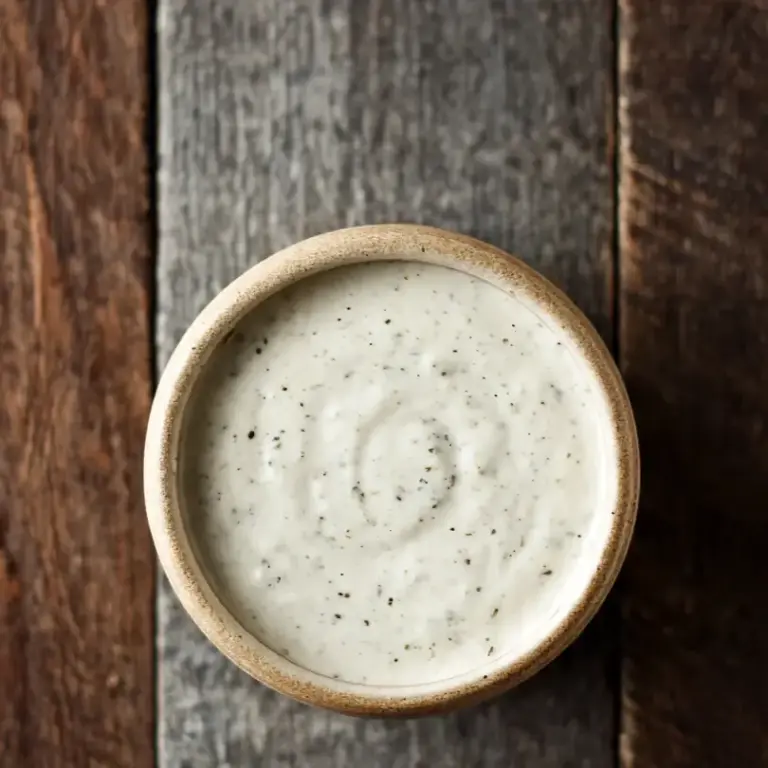
Cheesecake Factory Brown Bread Copycat
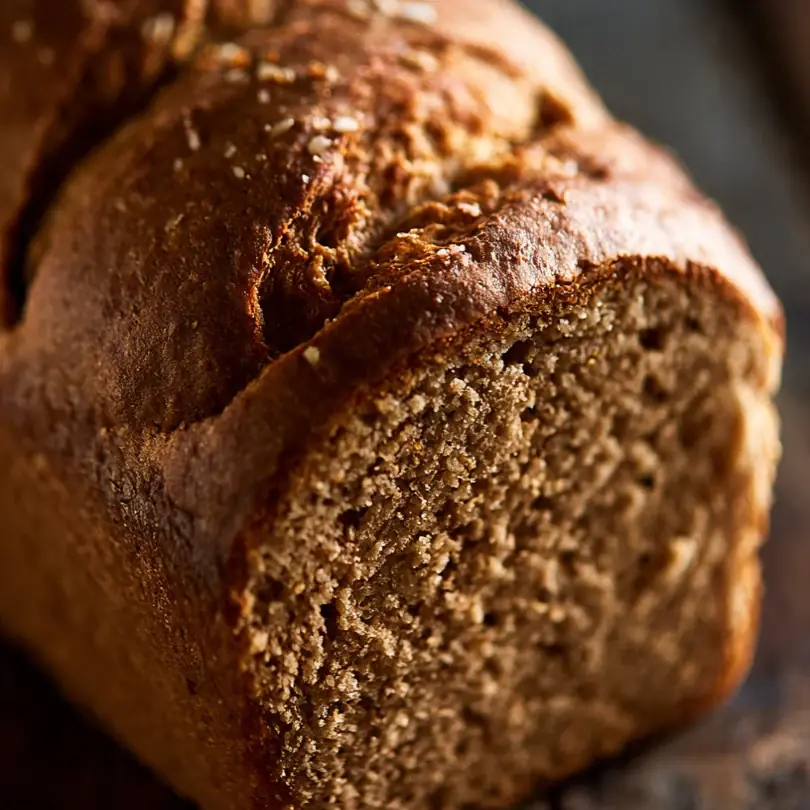
There’s something truly magical about the bread basket at The Cheesecake Factory, isn’t there? That wonderfully dark, slightly sweet, and unbelievably soft brown bread always disappears far too quickly. Today, I’m absolutely thrilled to share my tried-and-tested recipe for a copycat version that I promise will bring that same delightful experience right into your kitchen. I’ve been making this for over 7 years, and it never disappoints.
I remember the first time I tried to recreate it. My family absolutely adored that bread, and the thought of being able to bake it fresh at home, whenever we fancied, was too tempting to resist. After several attempts, tweaking ratios, and experimenting with different flours and sweeteners, I finally landed on a formula that perfectly captures its essence. The aroma alone, as it bakes, is enough to transport you straight to your favourite restaurant booth.
This recipe isn’t just about replicating a restaurant favourite; it’s about bringing a little bit of that special dining experience to your everyday. It’s a versatile loaf that pairs beautifully with so many dishes, or simply enjoyed on its own with a smear of butter. Get ready to impress your family and friends with this fabulous creation – they won’t believe you made it yourself!
Recipe Overview
- Prep Time: 25 minutes
- Proofing Time: 1 hour 30 minutes
- Cook Time: 25-30 minutes
- Total Time: Approximately 2 hours 25 minutes
- Servings: 1 large loaf or 12-16 rolls
- Difficulty: Moderate
Why You’ll Love This Cheesecake Factory Brown Bread Copycat
- It perfectly captures the iconic flavour and texture of the restaurant’s famous bread.
- The rich, malty sweetness and subtle tang create a truly distinctive and satisfying taste.
- It’s incredibly versatile, fantastic with soups, stews, or as a base for sandwiches.
- Baking it at home fills your kitchen with the most wonderful, comforting aroma.
- It’s a fantastic conversation starter and a guaranteed way to impress your guests.
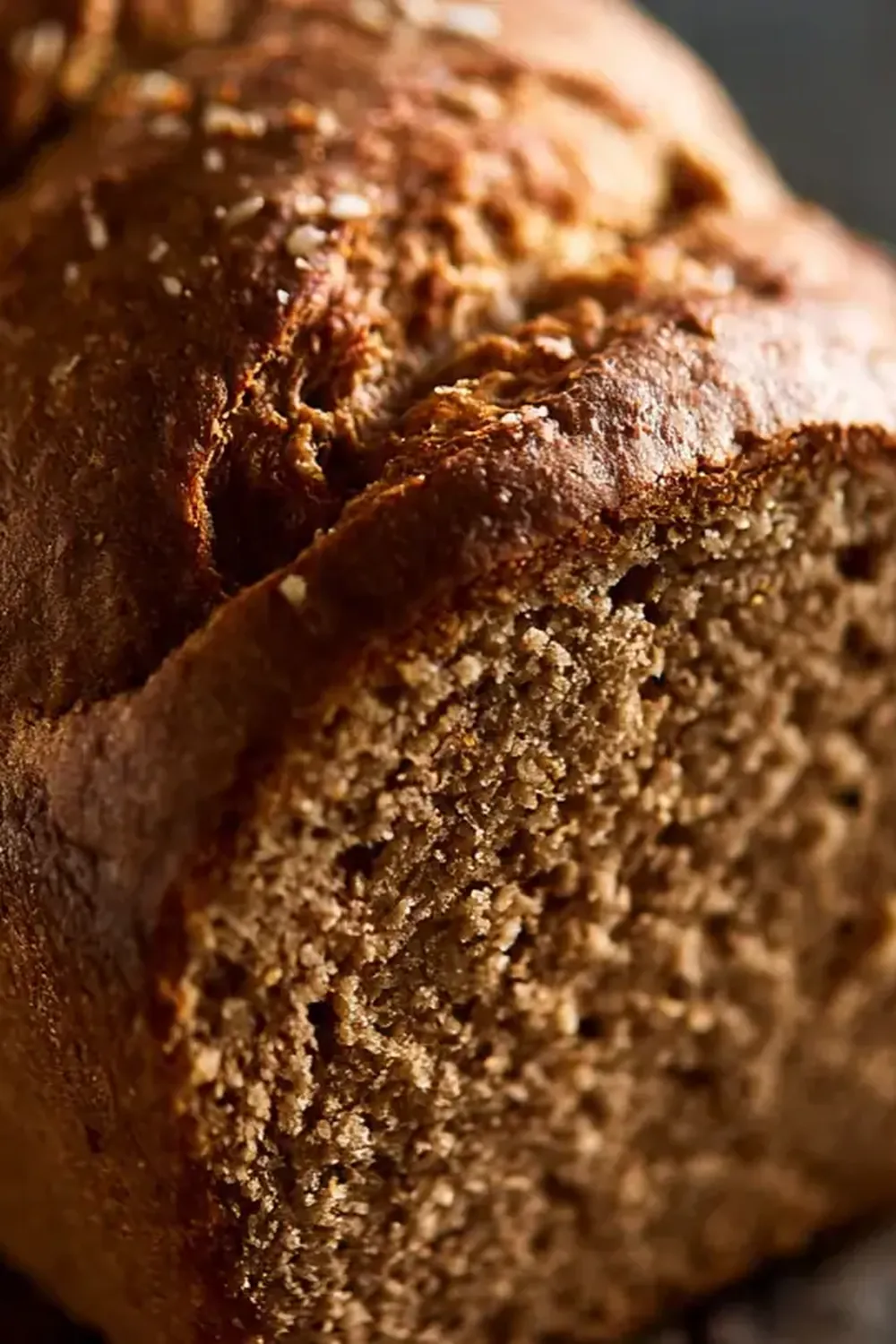
Ingredients You’ll Need
- 400g strong white bread flour
- 100g wholemeal flour
- 25g unsweetened cocoa powder
- 10g instant yeast
- 10g fine sea salt
- 25g dark brown sugar
- 30g black treacle (molasses)
- 30ml honey
- 30ml rapeseed oil (or other neutral oil)
- 300ml warm water (around 40-45°C)
- 50g rolled oats (for topping, optional)
- 1 tablespoon cornmeal (for dusting, optional)
Tip: Using a combination of strong white bread flour and wholemeal flour provides the ideal structure and depth of flavour. Don’t be tempted to use less cocoa powder; it’s there for colour and a subtle flavour note, not to make it taste like chocolate cake!
How to Make Cheesecake Factory Brown Bread Copycat
- Combine Dry Ingredients: In a large mixing bowl, whisk together the strong white bread flour, wholemeal flour, cocoa powder, instant yeast, salt, and dark brown sugar. You’ll notice the mixture taking on a lovely light brown hue, flecked with darker cocoa, and it should smell subtly sweet and earthy.
- Add Wet Ingredients: Create a well in the centre of the dry ingredients. Pour in the warm water, black treacle, honey, and rapeseed oil. Mix with a wooden spoon or your hands until a shaggy, somewhat sticky dough forms. It will look quite dark and feel moist.
- Knead the Dough: Turn the dough out onto a lightly floured surface. Knead for 8-10 minutes until it becomes smooth, elastic, and less sticky. The dough should feel soft and pliable, and if you gently stretch a piece, it should form a thin membrane without tearing easily (the windowpane test).
- First Rise (Bulk Fermentation): Lightly grease a clean bowl with a little oil. Place the dough in the bowl, turning it once to coat. Cover the bowl with cling film or a damp tea towel and leave it in a warm place for 60-90 minutes, or until the dough has doubled in size. You’ll observe it becoming visibly puffy and light, and when gently poked, it should spring back slowly.
- Shape the Loaf/Rolls: Gently punch down the risen dough to release the air. If making a loaf, shape it into a tight oval or round. If making rolls, divide the dough into 12-16 equal pieces and shape each into a smooth ball. For an authentic touch, you can lightly mist the shaped dough with water and roll it in oats or cornmeal for a textured crust.
- Second Rise (Proofing): Place the shaped loaf or rolls on a baking tray lined with parchment paper. Cover loosely with cling film or a damp tea towel and let them rise for another 30-45 minutes in a warm spot, until noticeably puffed up and light. They should look visibly fuller and feel airy when gently pressed.
- Bake the Bread: Preheat your oven to 190°C (170°C fan/Gas Mark 5). Bake the loaf for 25-30 minutes, or the rolls for 18-22 minutes, until they are deep golden brown and sound hollow when tapped on the bottom. The crust will be firm to the touch, and the kitchen will be filled with a rich, malty, and slightly sweet aroma.
- Cool: Transfer the baked bread to a wire cooling rack immediately. Allow it to cool completely before slicing and serving. This allows the internal structure to set properly, resulting in a perfectly soft crumb.
Tips From My Kitchen
- Measure by Weight, Not Volume: This is my number one tip for baking, especially with bread. Using a kitchen scale for flour, cocoa, and other dry ingredients ensures accuracy that cups and spoons simply can’t provide. Why? Because flour density can vary wildly, leading to too much or too little, which directly impacts the texture and hydration of your dough. Precision leads to consistent, brilliant results every time.
- Use Warm Water for Yeast Activation: The water temperature is crucial for waking up your yeast. Aim for around 40-45°C – it should feel comfortably warm, not hot, to the touch. Why? Water that’s too cold won’t activate the yeast, leading to a flat loaf, while water that’s too hot can kill it, resulting in the same sad outcome. A happy yeast is a rising yeast!
- Don’t Skimp on Kneading: Kneading develops the gluten in the flour, which is what gives bread its structure and chewiness. Why? Insufficient kneading will result in a dense, crumbly loaf that lacks the characteristic soft, airy texture we’re aiming for. Knead until the dough is smooth and elastic; it’s a vital step for that perfect crumb.
- Ensure a Warm, Draught-Free Spot for Rising: Yeast loves warmth and hates sudden temperature changes. Why? A consistent warm environment (around 25-28°C) allows the yeast to work efficiently, producing carbon dioxide that makes the dough rise beautifully. A cold or draughty spot will significantly slow down or even halt the rising process, leading to a heavy loaf. My kids absolutely devour this every time I make it, and a good rise is key!
- Don’t Overbake: While a deep golden crust is desirable, overbaking can dry out your bread. Why? The internal moisture of the bread is what keeps it soft and tender. Once the internal temperature reaches around 90-95°C, the bread is done. If you bake it much longer, that precious moisture evaporates, leaving you with a dry, tough loaf. Trust the tap test and the colour!
- Consider a Water Bath for Extra Steam: For an even softer crust and better oven spring, place a tray of hot water on the bottom rack of your oven during the first 10-15 minutes of baking. Why? The steam helps keep the crust pliable initially, allowing the bread to expand more before the crust sets, leading to a lighter, airier loaf and a more tender crust.
Equipment You’ll Need
- Stand mixer or hand mixer (optional, but makes kneading easier)
- Large mixing bowl
- Measuring scales and jugs
- Baking tray
- Parchment paper
- Wire cooling rack
Common Mistakes to Avoid
- Overcrowding the pan: If you’re making rolls, ensure there’s enough space between each one on the baking tray. Why? When rolls are too close together, they can fuse during baking, preventing proper browning on the sides and resulting in an uneven bake. Give them enough room to expand and breathe.
- Wrong temperature: Baking at too high a temperature can burn the outside before the inside is cooked, while too low can lead to a dry, dense loaf. Why? The specified temperature of 190°C (170°C fan/Gas Mark 5) is crucial for achieving the perfect balance of a nicely browned crust and a thoroughly cooked, soft interior. Always preheat your oven fully.
- Skipping the rest time: It’s tempting to cut into a warm loaf straight from the oven, but resist! Why? Resting allows the internal starches to set and the moisture to redistribute throughout the bread. Cutting into it too early can result in a gummy texture and the loss of steam, which contributes to the bread’s overall softness.
What to Serve With Cheesecake Factory Brown Bread Copycat
- A generous pat of unsalted butter or a delicious herb butter.
- Alongside a hearty soup or stew for dipping.
- With a fresh green salad and a vinaigrette dressing.
- As an accompaniment to a copycat dish like Cheesecake Factory Louisiana Chicken Pasta Copycat.
- To mop up the last bits of a delicious dip, such as Chilis Skillet Queso Dip Copycat.
- As a base for open-faced sandwiches with your favourite fillings.
Frequently Asked Questions
Cheesecake Factory Brown Bread Copycat
Ingredients
Method
- Combine Dry Ingredients: In a large mixing bowl, whisk together the strong white bread flour, wholemeal flour, cocoa powder, instant yeast, salt, and dark brown sugar. You'll notice the mixture taking on a lovely light brown hue, flecked with darker cocoa, and it should smell subtly sweet and earthy.
- Add Wet Ingredients: Create a well in the centre of the dry ingredients. Pour in the warm water, black treacle, honey, and rapeseed oil. Mix with a wooden spoon or your hands until a shaggy, somewhat sticky dough forms. It will look quite dark and feel moist.
- Knead the Dough: Turn the dough out onto a lightly floured surface. Knead for 8-10 minutes until it becomes smooth, elastic, and less sticky. The dough should feel soft and pliable, and if you gently stretch a piece, it should form a thin membrane without tearing easily (the windowpane test).
- First Rise (Bulk Fermentation): Lightly grease a clean bowl with a little oil. Place the dough in the bowl, turning it once to coat. Cover the bowl with cling film or a damp tea towel and leave it in a warm place for 60-90 minutes, or until the dough has doubled in size. You'll observe it becoming visibly puffy and light, and when gently poked, it should spring back slowly.
- Shape the Loaf/Rolls: Gently punch down the risen dough to release the air. If making a loaf, shape it into a tight oval or round. If making rolls, divide the dough into 12-16 equal pieces and shape each into a smooth ball. For an authentic touch, you can lightly mist the shaped dough with water and roll it in oats or cornmeal for a textured crust.
- Second Rise (Proofing): Place the shaped loaf or rolls on a baking tray lined with parchment paper. Cover loosely with cling film or a damp tea towel and let them rise for another 30-45 minutes in a warm spot, until noticeably puffed up and light. They should look visibly fuller and feel airy when gently pressed.
- Bake the Bread: Preheat your oven to 190°C (170°C fan/Gas Mark 5). Bake the loaf for 25-30 minutes, or the rolls for 18-22 minutes, until they are deep golden brown and sound hollow when tapped on the bottom. The crust will be firm to the touch, and the kitchen will be filled with a rich, malty, and slightly sweet aroma.
- Cool: Transfer the baked bread to a wire cooling rack immediately. Allow it to cool completely before slicing and serving. This allows the internal structure to set properly, resulting in a perfectly soft crumb.
Notes
There you have it, my friends! A truly exceptional recipe for Cheesecake Factory Brown Bread Copycat that I’m so excited for you to try. It brings such a wonderful warmth and flavour to any meal, and the satisfaction of pulling a fresh, fragrant loaf from your own oven is truly unbeatable. I really hope you enjoy making and, more importantly, eating this delicious bread as much as my family and I do. Don’t forget to share your baking successes and any questions you might have in the comments below – I absolutely love hearing from you!