Cottage Cheese Flatbread (2 Ingredients)

Welcome to my kitchen, lovely readers! Today, we’re diving into a truly remarkable recipe that has quickly become a staple in my home: a two-ingredient cottage cheese flatbread that’s utterly simple yet incredibly versatile. Get ready to transform humble ingredients into something truly special.
Recipe Overview
- Prep time: 10 minutes
- Cook time: 20-25 minutes
- Total time: 30-35 minutes
- Servings: 4-6 flatbreads
- Difficulty: Very Easy
Why You’ll Love This Cottage Cheese Flatbread (2 Ingredients)
I stumbled upon this combination by accident one busy morning when I was trying to whip up something substantial for breakfast with minimal fuss, and it’s been a hit ever since. My kids absolutely devour this every time I make it, whether it’s for breakfast, a quick lunch, or even an evening snack. It’s truly amazing how two simple ingredients can create such a satisfying and adaptable base for so many meals. Here’s why I think you’ll adore it too:
- Minimal Ingredients, Maximum Impact: With just cottage cheese and eggs, you create a protein-rich, gluten-free base that’s surprisingly sturdy and flavourful. It’s a testament to how fantastic simple cooking can be.
- Incredibly Versatile: This flatbread is a blank canvas. Enjoy it plain, use it as a wrap, or load it with your favourite toppings. It adapts beautifully to both sweet and savoury pairings, making it suitable for any meal of the day.
- Naturally Gluten-Free: For those avoiding gluten, this flatbread is a fantastic alternative to traditional bread or wraps. It offers a satisfying chew and texture without any gluten-containing flours.
- Packed with Protein: Cottage cheese and eggs are both excellent sources of protein, keeping you feeling fuller for longer. It’s a brilliant way to sneak in extra protein without compromising on taste or convenience.
- Quick and Easy to Prepare: From mixing to baking, the entire process is straightforward, making it ideal for busy weekdays or when you need a wholesome meal without spending hours in the kitchen.
Ingredients You’ll Need
The beauty of this recipe lies in its simplicity. You truly only need two core ingredients, but I often add a pinch of salt and pepper to enhance the flavour. Here’s what you’ll need, with approximate metric measurements:
- 400g full-fat cottage cheese (I find full-fat gives the best texture and flavour)
- 2 large eggs (approximately 120g)
- ½ teaspoon fine sea salt (optional, to taste)
- ¼ teaspoon freshly ground black pepper (optional, to taste)
- A drizzle of olive oil or a knob of butter for greasing (for baking sheet, if not using parchment)
- Optional: 1 tablespoon dried mixed herbs or a pinch of garlic powder for savoury versions
Tip: While full-fat cottage cheese is my preference for its creaminess and structure, you can use a lower-fat variety if you prefer, though the flatbread might be slightly less tender. Always use fresh, good quality eggs for the best results.
How to Make Cottage Cheese Flatbread (2 Ingredients)
Let’s get cracking! This process is wonderfully simple, and you’ll love watching these humble ingredients transform.
- Preheat Your Oven: Start by preheating your oven to 180°C (160°C fan/Gas Mark 4). Line a large baking tray with parchment paper. This ensures your flatbread won’t stick and makes for easy cleanup.
- Combine Ingredients: In a medium-sized mixing bowl, add the cottage cheese, eggs, and any optional seasonings like salt, pepper, or herbs. Give it a good stir to combine everything. You’ll notice the mixture is quite lumpy from the cottage cheese, but that’s perfectly fine. We’re aiming for a cohesive, slightly textured batter.
- Blend Until Smooth (or Mostly Smooth): Using either an immersion blender or a standard blender, process the mixture until it’s mostly smooth. You want to see very few, if any, large curds of cottage cheese – the mixture should be a pale yellow, creamy liquid, resembling a thick pancake batter. The sound of the blender whirring will let you know it’s doing its job, and the texture will transform from lumpy to velvety.
- Pour onto Baking Tray: Carefully pour the blended mixture onto your prepared baking tray. Use the back of a spoon or a spatula to gently spread it out into an even, thin layer, forming a large rectangle or oval, about 0.5 cm thick. You’ll want to ensure it’s consistently thin for even cooking; it should look like a pale, wet sheet covering the parchment paper.
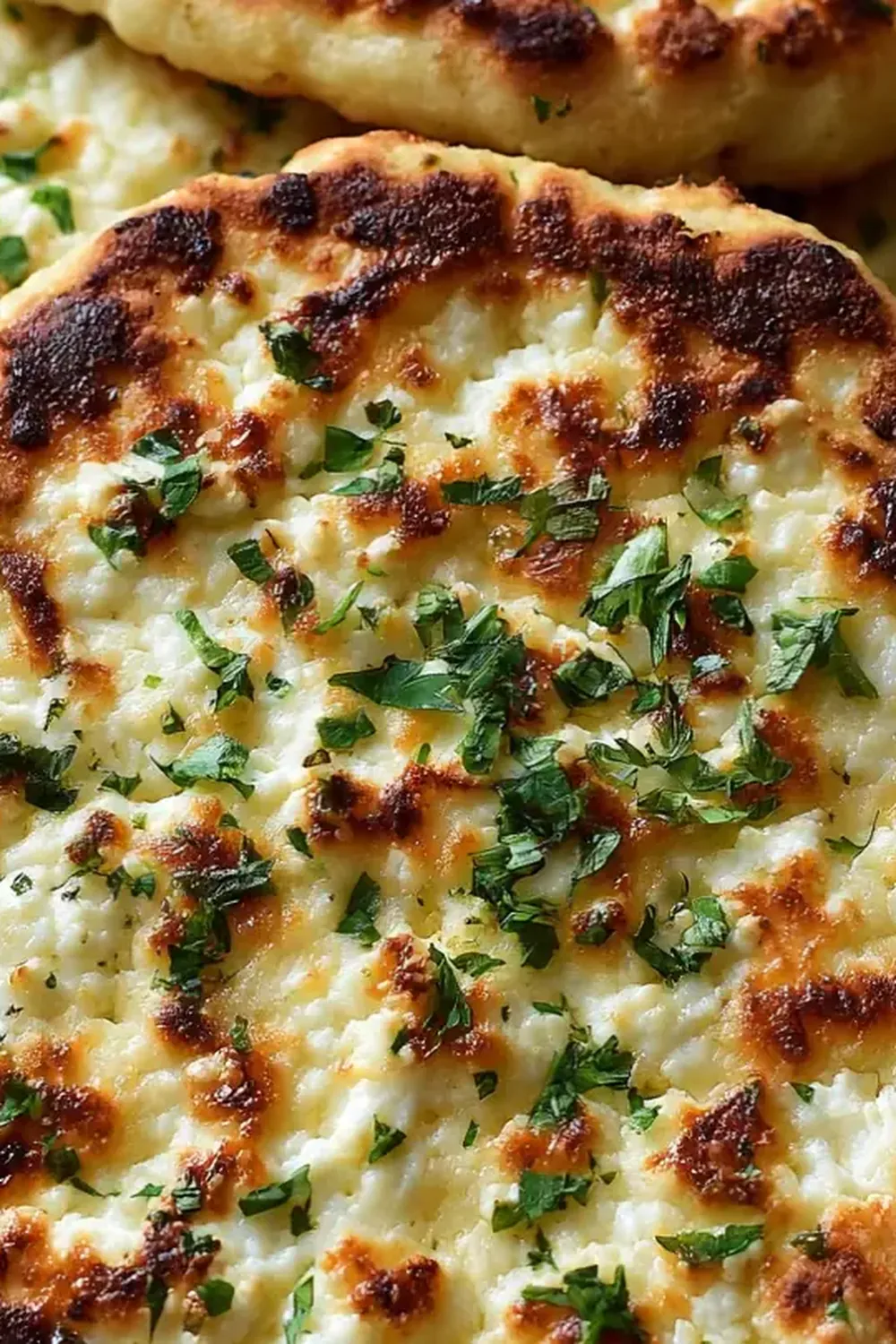
- Bake Until Golden: Place the tray into the preheated oven and bake for 20-25 minutes. Keep an eye on it; the flatbread is ready when it turns a beautiful golden-brown colour around the edges and on top, feeling firm to the touch in the centre. You might even catch a delightful eggy, cheesy aroma filling your kitchen.
- Cool and Serve: Once baked, carefully remove the flatbread from the oven. Let it cool on the baking tray for about 5 minutes before gently transferring it to a wire cooling rack. This brief rest allows it to firm up further. You’ll notice it becomes less pliable as it cools slightly, making it easier to handle.
Tips From My Kitchen
Over my years of cooking, I’ve picked up a few tricks that make this cottage cheese flatbread even better. These aren’t just suggestions; they’re little nuggets of wisdom I’ve gathered through trial and error, and they truly make a difference.
- Don’t Skimp on Blending: While you might be tempted to leave a few curds for texture, blending the mixture until it’s very smooth is crucial for the best flatbread. This creates a more uniform structure, preventing the flatbread from being too crumbly or falling apart when you try to fold or roll it. The smoother the batter, the more cohesive and bread-like the final product will be.
- Even Thickness is Key: When spreading the batter onto the parchment paper, strive for an even thickness. If parts are too thick, they won’t cook through properly and will remain soft and custardy, while thinner areas might overcook and become crispy. An even layer ensures consistent baking, resulting in a perfectly textured flatbread from edge to edge.
- Parchment Paper is Your Friend: Always use parchment paper! It’s non-negotiable for this recipe. The flatbread has a tendency to stick, and parchment paper prevents this entirely, ensuring easy removal and practically no cleanup. Without it, you risk a sticky mess and a torn flatbread, which is just disheartening.
- Adjust Baking Time for Crispiness: If you prefer a slightly crispier flatbread, similar to a cracker, you can extend the baking time by another 5-10 minutes. Keep a close watch to prevent burning, but allowing it to bake a bit longer will draw out more moisture, giving it a delightful crunch. For a softer, more pliable wrap, stick to the initial 20-25 minutes.
- Season Generously: While the core recipe is just two ingredients, don’t be shy with seasonings if you’re making a savoury version. A pinch of garlic powder, onion powder, or a sprinkle of dried Italian herbs can elevate the flavour immensely. These additions don’t just add taste; they make the flatbread feel more complete and satisfying, especially if you’re eating it on its own.
- Cool Before Handling: Allowing the flatbread to cool slightly on the tray before moving it is important. When it first comes out of the oven, it’s quite delicate and can tear easily. The cooling process allows the proteins to set and the structure to firm up, making it much easier to transfer and handle without breakage.
Equipment You’ll Need
- Stand mixer or hand mixer (or an immersion blender/standard blender)
- Baking tray
- Parchment paper
- Wire cooling rack
Common Mistakes to Avoid
Even the simplest recipes can have pitfalls. Here are a few common errors I’ve seen (and perhaps made myself!) and how to steer clear of them for flatbread success.
- Overcrowding the pan: Trying to make too many flatbreads on one tray, or making one giant, thick flatbread, can lead to uneven cooking. This results in a soggy centre and potentially burnt edges. To avoid this, ensure your batter is spread thinly and evenly, leaving a small border around the edges. If you want more flatbreads, use a second tray or bake in batches.
- Wrong temperature: Baking at too high a temperature can cause the flatbread to brown too quickly on the outside while remaining undercooked and wet in the middle. Conversely, too low a temperature will result in a pale, rubbery flatbread that never quite firms up. Stick to the recommended 180°C (160°C fan/Gas Mark 4) for a beautifully cooked, golden result.
- Skipping the rest time: Removing the flatbread from the tray immediately after baking can cause it to tear or crumble. Resting the flatbread for 5 minutes on the baking tray allows the structure to set and firm up as it cools slightly. This makes it much easier to handle, slice, and serve without any breakage.
Delicious Variations to Try
This flatbread is incredibly versatile, making it perfect for experimenting. Here are a few ways you can adapt it to suit your tastes and dietary needs, always keeping our strict Halal requirements in mind.
- Spicy Version: For those who love a bit of a kick, simply mix in ½ to 1 teaspoon of dried chilli flakes or a generous pinch of cayenne pepper into the batter before blending. You could also sprinkle a few finely chopped fresh green chillies on top before baking. It adds a lovely warmth that complements many toppings.
- Vegetarian/Vegan Option: While this recipe is already vegetarian, a vegan version is also possible. You would need to substitute the cottage cheese with a firm, plain vegan cream cheese alternative (ensure it’s suitable for baking and has a good protein content) and use a flax egg or a commercial egg replacer for the eggs. The texture might vary slightly, but it can still be a delicious plant-based option.
- Different Protein: While the base is protein-rich, you can easily incorporate more. Once the flatbread is baked, it makes an excellent wrap for sliced grilled chicken breast, seasoned shredded beef, or even flaked salmon. For a quick and easy topping, try a dollop of hummus and some grilled halloumi slices.
- Herb Garden Delight: Stir in 2 tablespoons of finely chopped fresh herbs like chives, parsley, or dill into the batter before blending. The fresh herbs infuse a vibrant flavour and add beautiful flecks of green, making it even more appealing. This is particularly lovely when serving with a fresh salad or a light soup.
- Sweet Treat Base: Yes, you can make this sweet! Omit the salt and pepper. After baking, spread a thin layer of cream cheese, then top with sliced fresh berries, a drizzle of maple syrup, or a sprinkle of cinnamon. It’s a healthier alternative to traditional sweet pastries and a fantastic way to enjoy a breakfast treat.
What to Serve With Cottage Cheese Flatbread (2 Ingredients)
The beauty of this flatbread is how it acts as a perfect canvas for so many different meals. Here are some of my favourite ways to enjoy it:
- As a base for homemade pizza with tomato sauce, mozzarella, and your favourite toppings.
- Alongside a vibrant green salad with a light vinaigrette.
- Wrapped around grilled chicken, crisp lettuce, and a smear of a homemade sauce like Chick Fil A Polynesian Sauce Copycat.
- Dipped into hummus or a creamy vegetable dip.
- Topped with scrambled eggs and fresh avocado slices for a hearty breakfast, perhaps with a side of Chipotle Cilantro Lime Rice Copycat.
- With a simple spread of cream cheese and smoked salmon for a sophisticated brunch.
- As a side to a bowl of warming soup or stew.
- With a smear of your favourite nut butter and sliced banana for a quick energy boost.
Frequently Asked Questions
Cottage Cheese Flatbread (2 Ingredients)
Ingredients
Method
- Preheat Your Oven: Start by preheating your oven to 180°C (160°C fan/Gas Mark 4). Line a large baking tray with parchment paper. This ensures your flatbread won't stick and makes for easy cleanup.
- Combine Ingredients: In a medium-sized mixing bowl, add the cottage cheese, eggs, and any optional seasonings like salt, pepper, or herbs. Give it a good stir to combine everything. You'll notice the mixture is quite lumpy from the cottage cheese, but that's perfectly fine. We're aiming for a cohesive, slightly textured batter.
- Blend Until Smooth (or Mostly Smooth): Using either an immersion blender or a standard blender, process the mixture until it’s mostly smooth. You want to see very few, if any, large curds of cottage cheese – the mixture should be a pale yellow, creamy liquid, resembling a thick pancake batter. The sound of the blender whirring will let you know it’s doing its job, and the texture will transform from lumpy to velvety.
- Pour onto Baking Tray: Carefully pour the blended mixture onto your prepared baking tray. Use the back of a spoon or a spatula to gently spread it out into an even, thin layer, forming a large rectangle or oval, about 0.5 cm thick. You’ll want to ensure it’s consistently thin for even cooking; it should look like a pale, wet sheet covering the parchment paper.
- Bake Until Golden: Place the tray into the preheated oven and bake for 20-25 minutes. Keep an eye on it; the flatbread is ready when it turns a beautiful golden-brown colour around the edges and on top, feeling firm to the touch in the centre. You might even catch a delightful eggy, cheesy aroma filling your kitchen.
- Cool and Serve: Once baked, carefully remove the flatbread from the oven. Let it cool on the baking tray for about 5 minutes before gently transferring it to a wire cooling rack. This brief rest allows it to firm up further. You'll notice it becomes less pliable as it cools slightly, making it easier to handle.
Notes
There you have it – a wonderfully simple, incredibly versatile cottage cheese flatbread that’s bound to become a firm favourite in your home too. I genuinely hope you give this recipe a try; it’s such a rewarding one to master. Do let me know in the comments below what your favourite toppings are or any creative variations you come up with. Happy cooking!